Labor Day in the United States celebrates the contributions of workers everywhere, while also unofficially marking the final big summer weekend before fall takes over.
It’s known for backyard barbecues, road trips, and that classic tradition of buying things you didn’t know you needed because “it’s on sale.”
Beaches, parks, and grills reach peak activity as everyone tries to squeeze every last drop of summer fun out of the long weekend.
Happy Labor Day! Wishing you a fun, easygoing weekend filled with good vibes, great food, and absolutely no thoughts about Monday.
Author: neashaminsuranceagency-com
-

Happy Labor Day!
-

US Annuity Choices for Retirement Income
Annuities exchange a lump sum or ongoing payments for regular income, often for life, giving retirees predictable cash flow when guaranteed payments fit broader planning.
Key benefits include tax-deferred growth, fixed-rate downside protection, indexed floors, customizable riders, and no annual federal contribution limits, which can help tailor retirement income.
Common trade-offs include high fees, seller commissions, limited liquidity, ordinary-income taxes on gains, and surrender periods that can last 3-10 yr for investors.
Main annuity types include fixed, variable, fixed-index, and immediate contracts, each balancing safety, market exposure, growth limits, and the timing of income payments.
Because guarantees depend on the insurer, buyers should verify company strength and understand state backstops may protect only limited benefits in practice.
Creating a tax-efficient retirement income stream matters, and annuities may or may not belong in that mix depending on contract det -

Americans Think They Need $1.46 Million to Retire — I’m a 71-Year-Old CPA, and That Number Is Scaring You for Nothing
A recent $1.46 million retirement savings figure is misleading, as most retirees need much less. Successful retirement depends on understanding personal expenses and income sources like Social Security, pensions, and investments. The 4% withdrawal rule suggests $500,000 can provide $20,000 annually, often enough when combined with other income. Retirement plans can be flexible, including part-time work and spending adjustments.
Continue to full article -

Annuities Can Guarantee Income for Life
In the US, a recent survey found ~half of non-retirees doubted they would fully retire, while ~two-thirds prioritized current finances over future planning.
One major pre-retirement fear was outliving savings, and annuities were presented as one strategy for creating guaranteed lifetime income when saving more feels difficult.
Annuities are insurance contracts that can start paying immediately or later, and their structure determines both when income begins and how money grows.
The main choices were fixed annuities with guaranteed flat returns, variable annuities tied to securities, and indexed annuities linked to market indexes.
They may suit risk-averse savers who value predictable income, but some contracts carry high fees or limited growth, so working with an advisor can help. -

Global $840K Lifetime Income Choices
With $840K, conservative dividend portfolios near ~3%-4% generated about $2.45K mo, while moderate income mixes near ~5%-7% produced roughly $3.85K to $4.9K mo.
Aggressive income vehicles near ~10% lifted cash flow to ~$7K mo, while an immediate annuity in the high-7% range paid roughly $5.25K-$5.6K for life.
The annuity removed longevity risk but surrendered principal, reduced inheritance, and faced inflation drag; the dividend route started lower, kept principal, and offered payout growth.
The income gap can narrow over time: a ~3.5% starting yield growing ~6%-8% yearly could overtake a flat annuity within roughly 12-15 yr.
A split approach can use annuities for essential expenses and dividends for growth; match guaranteed income to fixed costs, then compare current quotes. -

US HSA Strategy for Retirement Flexibility
An HSA offers a rare triple tax advantage: tax-saving contributions, tax-free investment growth, and tax-free withdrawals for qualified medical expenses in retirement.
A stronger long-term move is paying current doctor bills out of pocket, keeping HSA funds invested, and letting balances roll over and compound for decades.
At age 65, non-medical withdrawals lose the earlier penalty, and with no required minimum distributions, HSA money can stay invested until needed.
HSAs stay portable between jobs, can cover uneven retirement health costs, and even help pay certain federal health coverage premiums and other out-of-pocket expenses.
Before federal health coverage starts, stop contributions at least 6 mo early, and save receipts so long-held HSA funds can reimburse qualified costs later. -

What Millennials Should Do to Combat the Fear of Running Out of Money
It’s striking how, for many millennials, the fear of running out of money can feel even more daunting than thoughts of mortality itself. In my 30+ years at Neasham Insurance Agency, I’ve seen firsthand how these concerns can shape financial decisions. Experts recommend a few key strategies: consider delaying Social Security until age 70, diversify your investments, create a solid budget that includes emergency savings, and aim to save 20-25% of your income. Leveraging tax-advantaged accounts can also help your money work harder for you. Having spent decades specializing in annuities and universal life, I know that building a thoughtful, diversified plan is essential to growing and protecting your financial future. www.neashaminsuranceagency.com
Continue to full article -
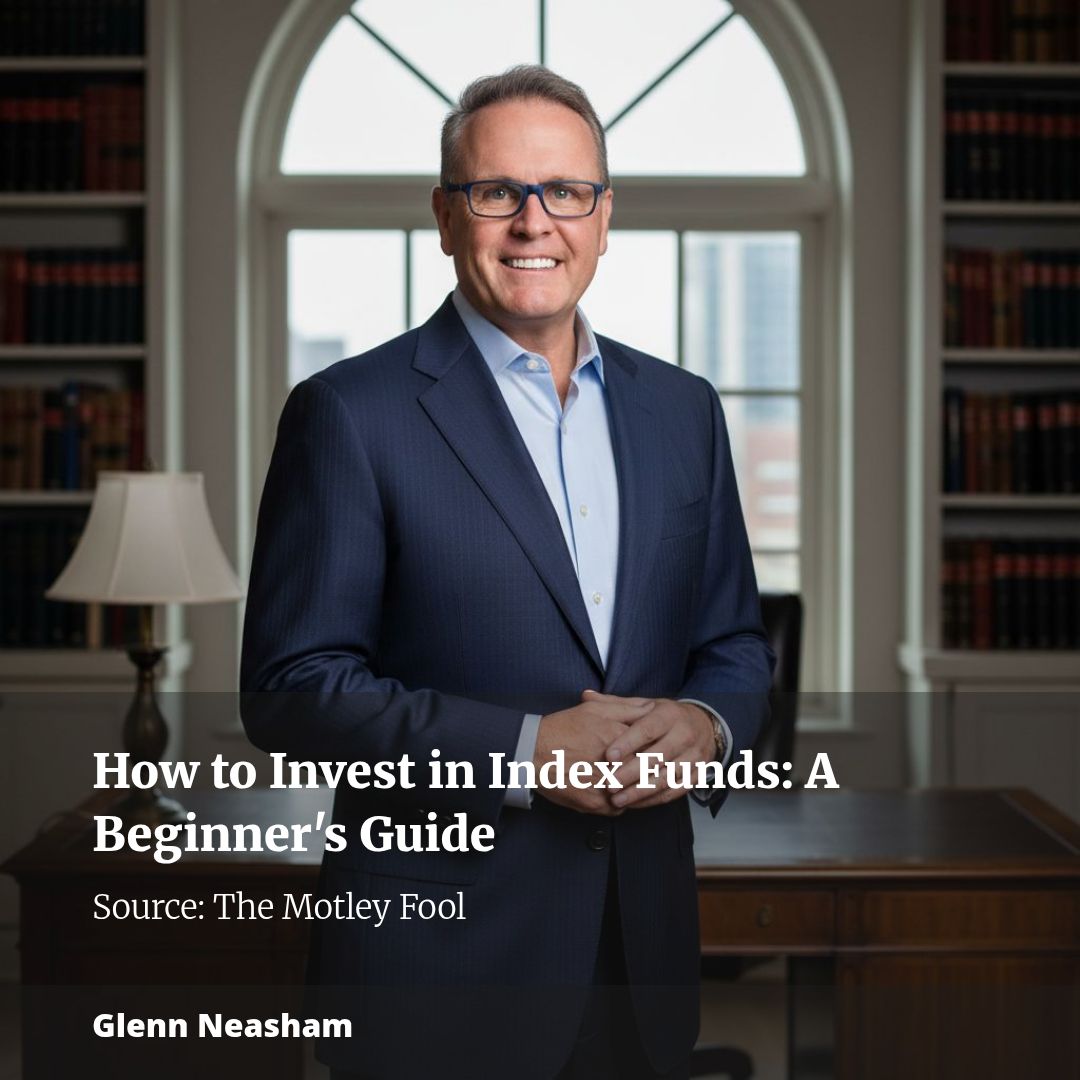
How to Invest in Index Funds: A Beginner’s Guide
An index fund is a mutual fund or ETF that tracks a financial benchmark by holding most of its components proportionally. It requires no active management, resulting in low expense ratios. Index funds often outperform actively managed funds over time. To invest, choose an index, select a low-cost fund tracking it, and buy shares via a brokerage. They offer diversification across stocks, bonds, sectors, and can be held in tax-advantaged accounts.
Continue to full article